
At this point in the year, it is tempting to start the 2027 marketing plan by opening last year’s presentation and changing the dates.
I would start with the decisions instead.
Which customers matter most? What needs to change in the business? Where can marketing make a useful contribution? And what will the team stop doing to create the capacity?
My background includes sports marketing at Leeds Rhinos, project delivery at PokerStars, and hospitality and event-related work at Expo City Dubai. I have also worked across agency and multi-brand environments. That mix is why I want a plan to connect commercial direction with the people, systems and deadlines needed to deliver it.
A long campaign calendar can make a team look organised. I want it to show why the work deserves to happen.
Start with an honest review of 2026
Before adding new activity, I would separate what we know from what we assume.
Look at the outcomes the business actually values: useful enquiries, customer retention, sales, bookings or another clearly defined result. Then examine the activity around them. What contributed? What did we learn? What looked busy but failed to answer a useful question?
I would include the operational experience too. Which approvals repeatedly slowed work down? Where did the brief change? Which reports went unread? These issues belong in planning because they affect what the team can realistically commit to next year.
The review should produce a short set of decisions. Keep what earns its place, improve what has potential and stop what no longer serves the objective.
Give the plan a clear commercial job
I would write a plain-language objective before discussing channels.
For a hypothetical hospitality business, that might be increasing worthwhile group bookings during quieter periods. For a membership business, it might be improving renewal among a defined customer segment. Those are different jobs, requiring different messages, timing and measures.
Sport provides a helpful way to think about this. A fixture date creates a real deadline, but the commercial task around it could involve first-time attendance, returning supporters or the matchday experience. My Leeds Rhinos experience gives me a sporting context for thinking about those different customer needs.
I would make the desired customer behaviour clear enough that colleagues outside marketing can explain it.
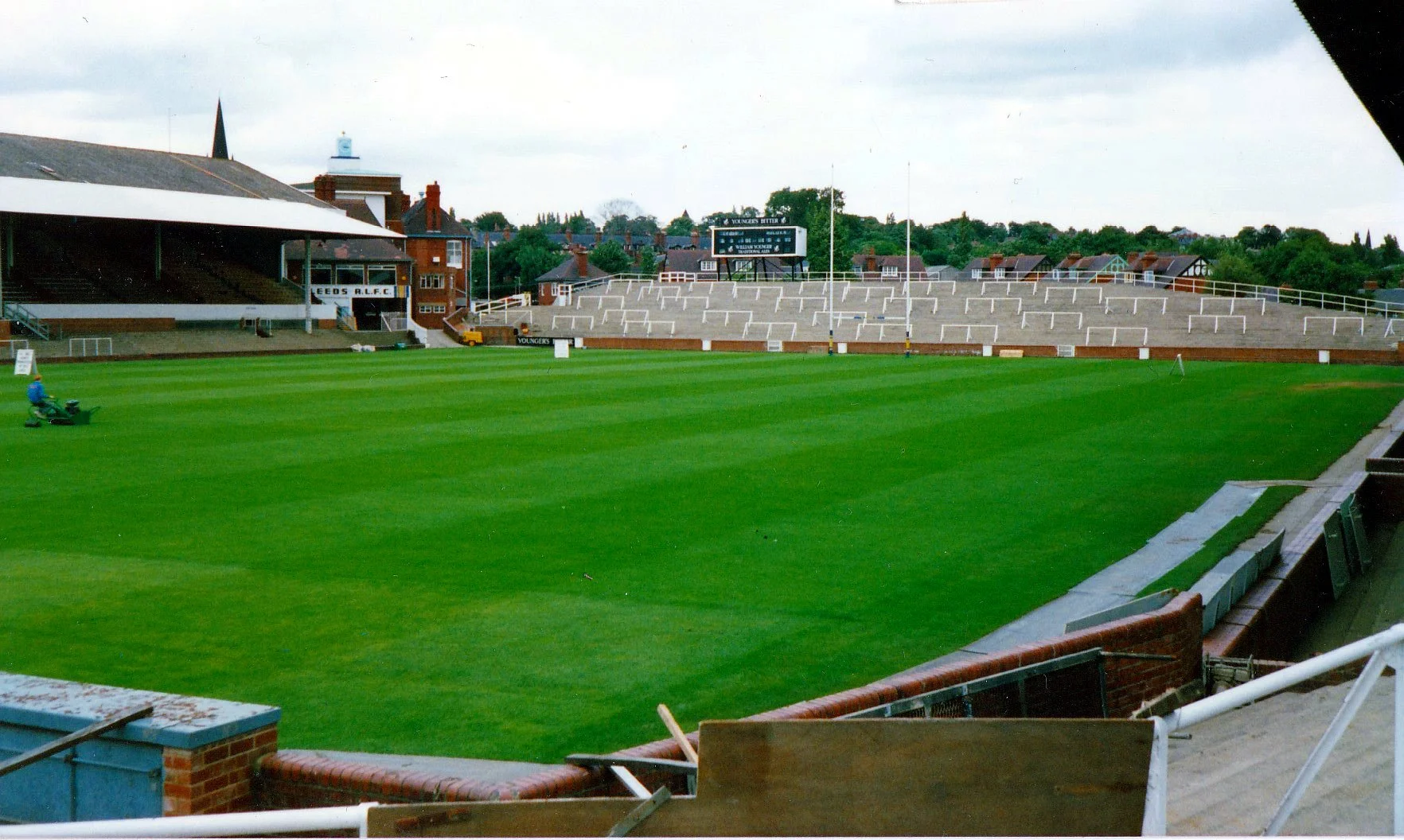
An archival view of Headingley’s rugby ground, used to illustrate the sporting context. Photo: Fleets, Wikimedia Commons, CC0.
Choose priorities before filling the calendar
My next step would be choosing a small number of priorities and making the trade-offs visible.
For each one, I would record the audience, the problem, the proposed approach, the owner and the evidence that would tell us whether to continue. I would also ask what gets less attention as a result.
If every channel, product and audience is described as a priority, the plan has not yet helped the team make a choice.
I would distinguish essential activity from experiments. Core customer communications may need dependable capacity every month. A new channel test needs a defined question, a bounded commitment and a review date. Putting both into one undifferentiated list makes it harder to protect either.
Put capacity and dependencies on the page
This is where my work in project delivery and marketing operations becomes especially relevant. I would not approve a plan without looking at who is doing the work and what they need from others.
A campaign may depend on a landing page, customer data, photography, operational readiness or a decision from another team. A launch date written in a spreadsheet does not make those dependencies disappear.
My experience includes work around Expo City Dubai and COP28, as well as workflow implementation. That is a useful context for thinking about how marketing connects with a wider delivery operation. I would map those connections early and agree realistic approval windows.
Tools such as Asana can help make ownership visible. The decisions and responsibilities still need to be clear before they go into the system.

Al Wasl Plaza during Expo 2020, photographed in December 2021. Photo: Dennis Sylvester Hurd, via Wikimedia Commons, CC BY 2.0. Displayed smaller; no further edits.
Plan the first quarter in enough detail to act
I would give the year a direction, then make the first quarter concrete.
Agree the first deliverables, the responsible people, the dependencies and the review dates. Keep later activity flexible where it depends on evidence we do not yet have.
For AI and automation, I would start with a defined workflow problem. If the problem is slow briefing, unclear data or repeated approval changes, a new tool needs to address that specific bottleneck. Adoption is not a useful objective on its own.
I would also write down the assumptions behind the plan. If demand, available budget or delivery capacity changes, the team should know which decisions need another look.
Make review part of the plan
I would set a monthly review that ends with a decision: continue, adjust, investigate or stop. Keep the measures close to the commercial job agreed at the start.
That connects with my earlier point in Great Marketing Starts With Great Processes, Not Just Great Ideas: clear structure helps creative work reach the customer.
For me, a useful 2027 plan should leave the team with fewer competing demands and a clearer first move. I would rather begin January with three understood priorities than thirty activities nobody has the capacity to deliver.